Being alone is a circumstance. Making room for your own attention is a choice you can sometimes make within it. The two do not always arrive together: a quiet room can still be crowded with notifications, unfinished conversations and imagined judgments. Academy of Ideas’ original video The Psychology of Solitude asks what happens when we stop expecting other people to supply every part of our identity. It is a philosophical starting point for reflection, rather than a clinical guide or a rule that everyone should spend more time alone.
Listen to the question without adopting every claim
The accompanying transcript brings together Nietzsche, Donald Winnicott, Anthony Storr and other writers to explore the capacity to be alone. Its argument is that creative work and time apart can have a place alongside relationships. Those ideas are worth considering without treating a narrated essay as proof about every person. Ask which claim the speaker is making, what sort of support it would require and where your own experience differs. A useful video can sharpen a question even when you do not accept its entire account.
Choose a purpose small enough to notice
A solitary afternoon need not become a test of spiritual depth. Start with something definite: read two pages, sketch an object, mend a pocket or write down a question. A modest task gives attention somewhere to land. It also makes the experience easier to describe afterward. You did not become a new person in twenty minutes. You gave one activity a little more space. If the activity disappoints you, that is useful information about the activity or the moment, rather than a verdict on your ability to be alone.
Distinguish privacy from disappearance
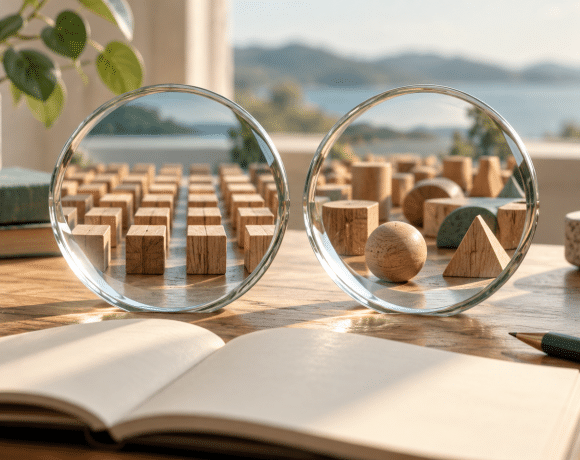
Time to yourself can coexist with keeping promises to other people. If someone expects you, say when you will be available. If a message needs an answer, make a reasonable plan to answer it. You do not need to turn a quiet interval into a statement against friendship, family or community. The practical question is whether your arrangements support the life you want to live. A closed notebook at the end of a short session can become a simple reminder to return to that wider life.
Give the screen a specific job
Watching this video is already a use of technology, and there is no need to pretend otherwise. The distinction to explore is between choosing a piece of media and following a chain of suggestions without deciding. Before pressing play, write down one thing you want to consider. Afterward, pause before opening the next recommendation. Can you name a point you agree with, one you question and one you want to look up? That small interval turns viewing into an encounter you can respond to, rather than another item that passes through the day.
Keep a record that does not grade you
Try three lines in a notebook: what I chose, what interrupted me and what I might change. Avoid turning the page into a scorecard for how calm or productive you were. A neighbor made noise; a worry returned; the chair was uncomfortable. These ordinary details tell you more about the experience than a sweeping judgment about whether solitude works. You may choose a different place, a shorter period or company next time. Reflection is useful when it leaves you with a clearer choice.
Return with something unfinished
A quiet interval does not have to end with a revelation. It might leave you with half a paragraph, a better question or the realization that you would like to call a friend. Let those outcomes remain modest. The value of an independent perspective is not that it makes other people unnecessary. It gives you something of your own to bring into conversation. You can listen to the video, disagree with part of it and still use its central question: what do I notice when I allow a little room to hear my own response?
Source and original video
Academy of Ideas: The Psychology of Solitude and the creator’s published transcript and references. The practical exercises above are suggestions for personal reflection, not claims of demonstrated health effects.