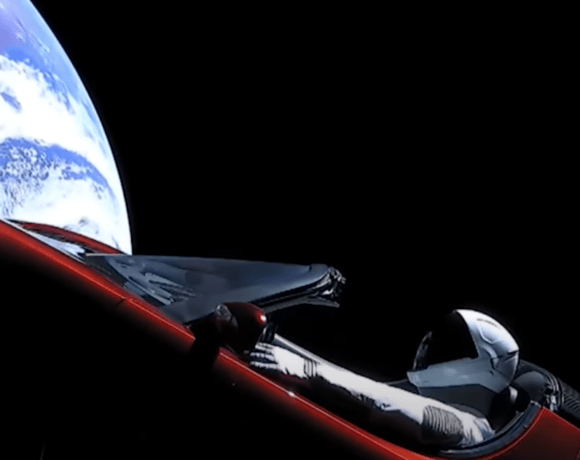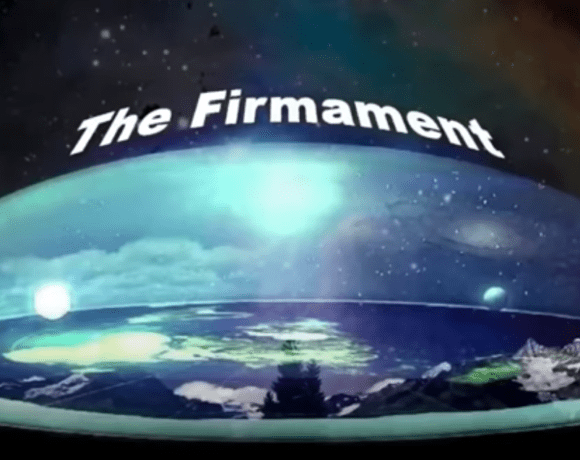
What makes a familiar horizon suddenly feel like a question? ODD TV’s Planet Flat Earth | 2020 Documentary II invites viewers to look again at images, explanations, and assumptions they may have stopped noticing. Its force lies less in any single picture than in the feeling that ordinary observation deserves a hearing. Watch the film with that curiosity intact, and with a second question beside it: what would actually distinguish one explanation of the world from another?
Why the invitation to look again matters
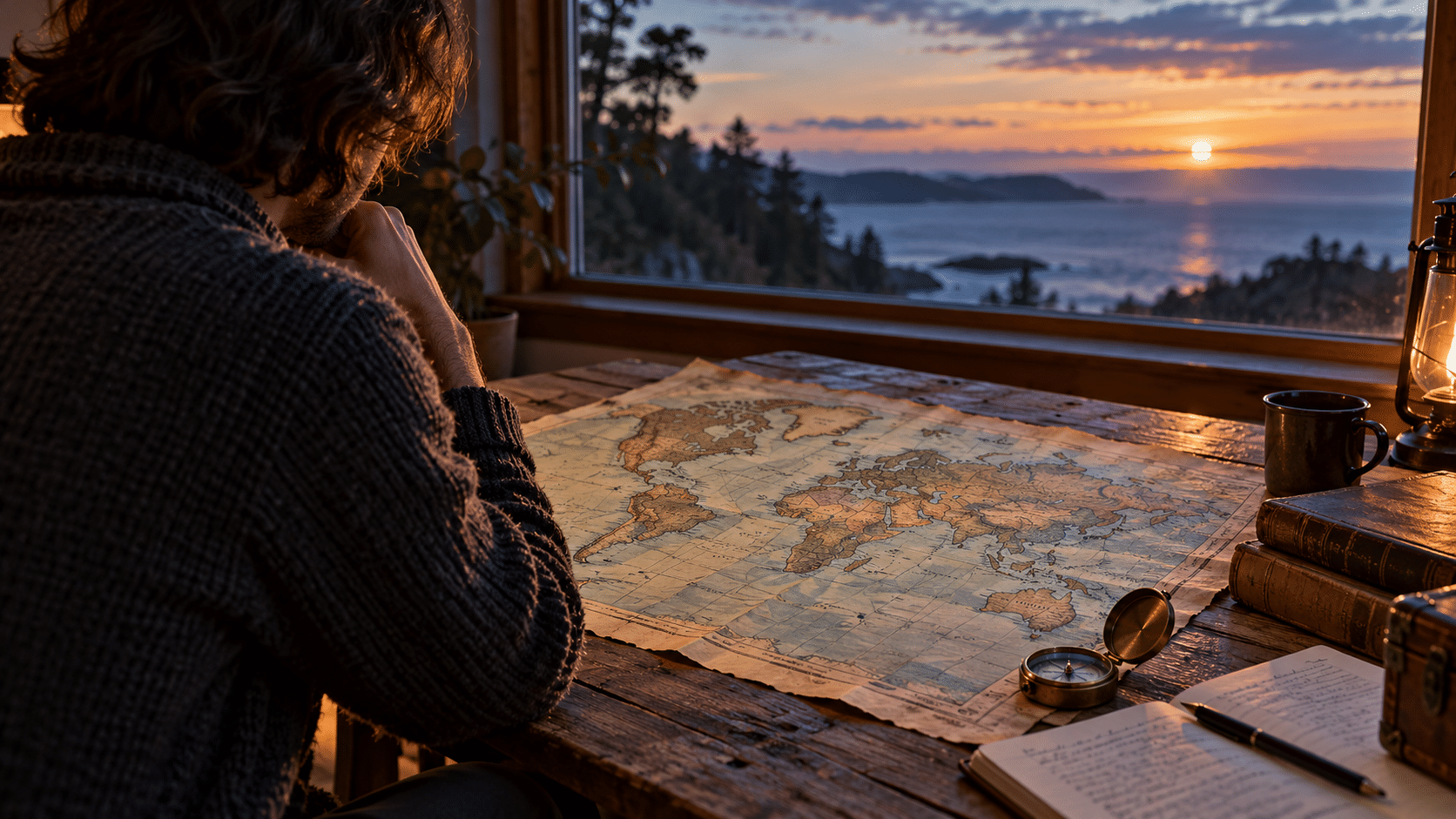
A documentary can make inquiry feel personal. A level horizon, a long view across water, a map on a table: these are things people can recognize without a laboratory. ODD TV works in a tradition of alternative media that asks viewers to distrust easy answers and examine the language of authority. That invitation can be valuable even when one disagrees with the film’s conclusions. It reminds us that understanding is stronger when we can explain the evidence ourselves, rather than merely repeat a conclusion.
There is a difference, though, between taking an observation seriously and deciding at once what it proves. A horizon that appears straight in a photograph is an observation. The claim that it establishes a flat Earth is an interpretation. Field of view, lens choice, altitude, atmospheric conditions, and the scale of what is being measured all matter. A picture can start a question; it rarely settles a geometric model on its own. That distinction lets a sympathetic viewer stay engaged without asking curiosity to do the work of measurement.
Give each claim a fair test
As you watch, pause when a statement sounds decisive. Write it down in plain language. Is it a claim about what someone saw, a prediction about what should happen, or an explanation of why an institution cannot be trusted? Those are different kinds of claims and require different kinds of evidence. A striking example may deserve investigation, but a model must account for many examples together, including the awkward ones.
Consider a long-distance photograph. Before drawing a conclusion from it, ask where the camera was, how high it stood, what the weather was doing, and whether refraction could affect the view. Ask what each proposed model predicts under those conditions. If a calculation appears in a video, check its units and assumptions. A genuine test should leave open the possibility that the preferred explanation could fail. Otherwise the exercise becomes a search for confirmation, no matter which side conducts it.
Maps offer another useful test. Every flat map of a curved surface distorts something: distances, angles, areas, or shapes. The sensible question is not whether a map looks familiar, but whether its distances and routes agree with travel and surveying across many regions. A proposed alternative should be able to do that work too. It should explain north and south, east and west, local observations and global journeys with one coherent account.
Separate distrust from physical evidence
Some viewers arrive at films like this because they have seen institutions make mistakes or communicate poorly. Distrust can have a history. It can also sharpen attention to missing explanations. But a mistake by a space agency, a misleading illustration, or a badly worded lesson would not by itself establish the shape of Earth. An account of institutional behavior and an account of physical geometry are separate arguments. Each deserves its own evidence.
The same care applies in the other direction. Calling a question foolish does not answer it. If a viewer asks why water appears level or why motion is not felt, the useful response is to explain the relevant physics and the scale involved, then show how the explanation can be tested. Mockery tends to turn a factual disagreement into an argument about belonging. A patient explanation keeps the question open long enough to learn from it.
Modern geodesy does not rely on a single photograph. Surveying, navigation, gravity measurements, and observations made from different locations fit a roughly spherical Earth that is slightly flattened at the poles. Those methods can be checked independently and have practical consequences in positioning and travel. That broad agreement is why the globe is the established scientific model. It does not require any viewer to stop asking how the measurements were made. In fact, that is the most productive question to ask.
Look for predictions, not just persuasive images
A strong explanation risks being wrong in public. It states beforehand what should be seen at a particular place and time. The changing elevation of stars with latitude, the timing of sunrise across longitudes, and the length of routes in the Southern Hemisphere are examples of patterns a model must explain together. Someone interested in testing a claim can choose one modest observation, record the conditions, and compare the results with competing predictions. The goal is not to win a conversation with one dramatic image. It is to find the account that keeps working when the setting changes.
This is harder than collecting examples that already feel compelling. It asks us to notice when a prediction is vague, when an exception has been invented after the fact, and when a source has been clipped from its context. It also asks us to admit when a counterexample is real. Such habits belong to everyone, whether they trust conventional science, challenge it, or are still undecided.
The value of a respectful conversation
Films about disputed ideas often become tests of identity. One viewer hears courage; another hears a familiar error. It is possible to do better than trading labels. Ask which claim in the film matters most to the person beside you. Agree on what evidence would change either of your minds. Then examine that one claim carefully. You may not reach agreement, but you can discover what each person is actually relying on.
ODD TV’s documentary can be watched as a prompt to investigate, not as a substitute for investigation. Its questions about observation and authority are worth hearing. Its interpretations still have to compete with the full range of measurements. That is not a demand for blind trust in any institution; it is a commitment to a standard that every proposed model must meet.
The next time a horizon catches your eye, let it be beautiful and let it be a question. Notice what you see. Ask what you have inferred. Seek a prediction you can check. The most durable kind of open mind is one that welcomes unfamiliar ideas while giving evidence the final word.